






Exploring McKenzie Pass (Highway 242) — Oregon’s Scenic Highway Through the Cascades
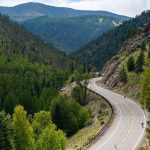
McKenzie Pass, officially known as Oregon Route 242, is one of Oregon’s most breathtaking scenic drives. This winding mountain highway climbs to an elevation of 5,325 feet through the heart of the Cascade Range, offering dramatic views, dense forests, and ancient lava flows. Whether you’re driving, cycling, or simply exploring nature, the McKenzie Pass route delivers an unforgettable journey through some of Oregon’s most remarkable landscapes.
Route Overview
Oregon Route 242 stretches for about 36.6 miles, connecting the town of Sisters on the east side to Belknap Springs on the west. The road is narrow and curvy, with sharp turns that make it unsuitable for large vehicles longer than 35 feet. Along the route, travelers can stop at several scenic points including Scott Lake, Deadhorse Grade, and the famous Dee Wright Observatory.
Highlights Along the Way
The Dee Wright Observatory, built in 1935 from local lava rock, offers panoramic views of the surrounding peaks, including the Three Sisters, Mount Washington, and Mount Jefferson. Near the summit, the road cuts through vast fields of jagged black lava, creating a striking contrast with the surrounding evergreens. Just west of the summit, a short detour leads to Proxy Falls, one of Oregon’s most photographed waterfalls, featuring twin cascades dropping into a lush moss-covered canyon.
Seasonal Access and Road Conditions
McKenzie Pass is closed to vehicles during the winter due to heavy snow. It usually opens around mid-June and closes again by mid-November, though exact dates depend on weather conditions. Before the official vehicle opening, the road is often accessible to cyclists and pedestrians, offering a rare opportunity to experience the route without car traffic. Always check with the Oregon Department of Transportation’s TripCheck website for current road conditions and closure updates before traveling.
What Makes McKenzie Pass Special
The beauty of McKenzie Pass lies in its variety. Travelers experience a blend of alpine forest, volcanic rock, and open vistas that reveal Oregon’s dynamic natural history. The summit area’s vast lava fields resemble a moonscape, making it one of the most unique landscapes in the state. The Civilian Conservation Corps-built Dee Wright Observatory stands as a historic monument to early 20th-century craftsmanship and exploration.
For cyclists, McKenzie Pass is a bucket-list ride. The climb is challenging but rewarding, with switchbacks, steep ascents, and cool mountain air. During late spring, before the road reopens to vehicles, cyclists can enjoy a peaceful, car-free ascent to the summit.
Tips for Planning Your Trip
The best time to drive McKenzie Pass is from late June through early October when snow is unlikely and conditions are clear. Be prepared for cooler temperatures at higher elevations, even during summer. There are no gas stations or major services along the pass, so plan to bring food, water, and extra fuel. Cell service can be spotty, so download maps in advance if you rely on GPS navigation.
Popular Stops and Side Trips
- Proxy Falls: A short hike through a lush forest leads to a stunning twin waterfall.
- Scott Lake: A peaceful alpine lake with great views of the Three Sisters.
- Dee Wright Observatory: The best place to stop for panoramic mountain views.
- Black Crater Trailhead: A challenging hike that rewards visitors with views of lava flows and distant peaks.
Frequently Asked Questions
When is McKenzie Pass open?
The road typically opens around mid-June and closes in mid-November, depending on snowfall.
Can I bike McKenzie Pass when it’s closed to cars?
Yes, in most years, cyclists can use the road after snowplows clear it but before it officially opens to vehicles. Always obey posted signs and closures.
How long does it take to drive the route?
Driving time is about one hour without stops, but most travelers take two to three hours to explore viewpoints and trails.
Conclusion
McKenzie Pass is a must-see route for anyone exploring Oregon’s natural beauty. With its combination of volcanic terrain, lush forests, and panoramic mountain views, it offers one of the most unique drives in the Pacific Northwest. Whether you visit for a leisurely summer drive, a challenging bike ride, or a day of hiking and photography, Oregon Route 242 will leave you inspired by the rugged beauty of the Cascade Range.




Add Comment